about jordana
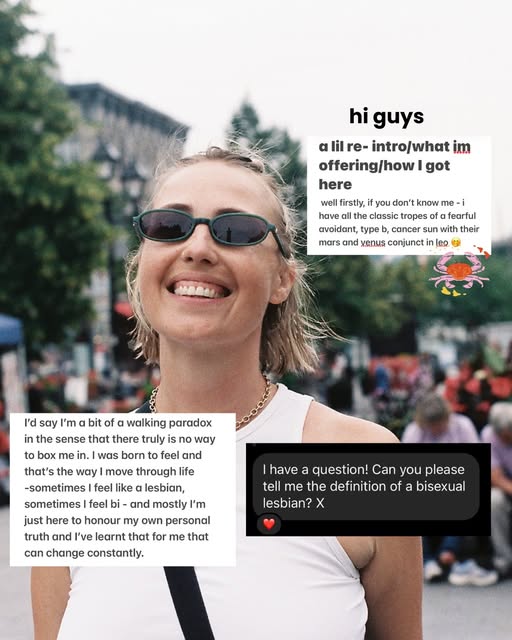
i'm jordana. glad you're here.
founder of ezra somatics. most people call me jordy.
my story
where this began.
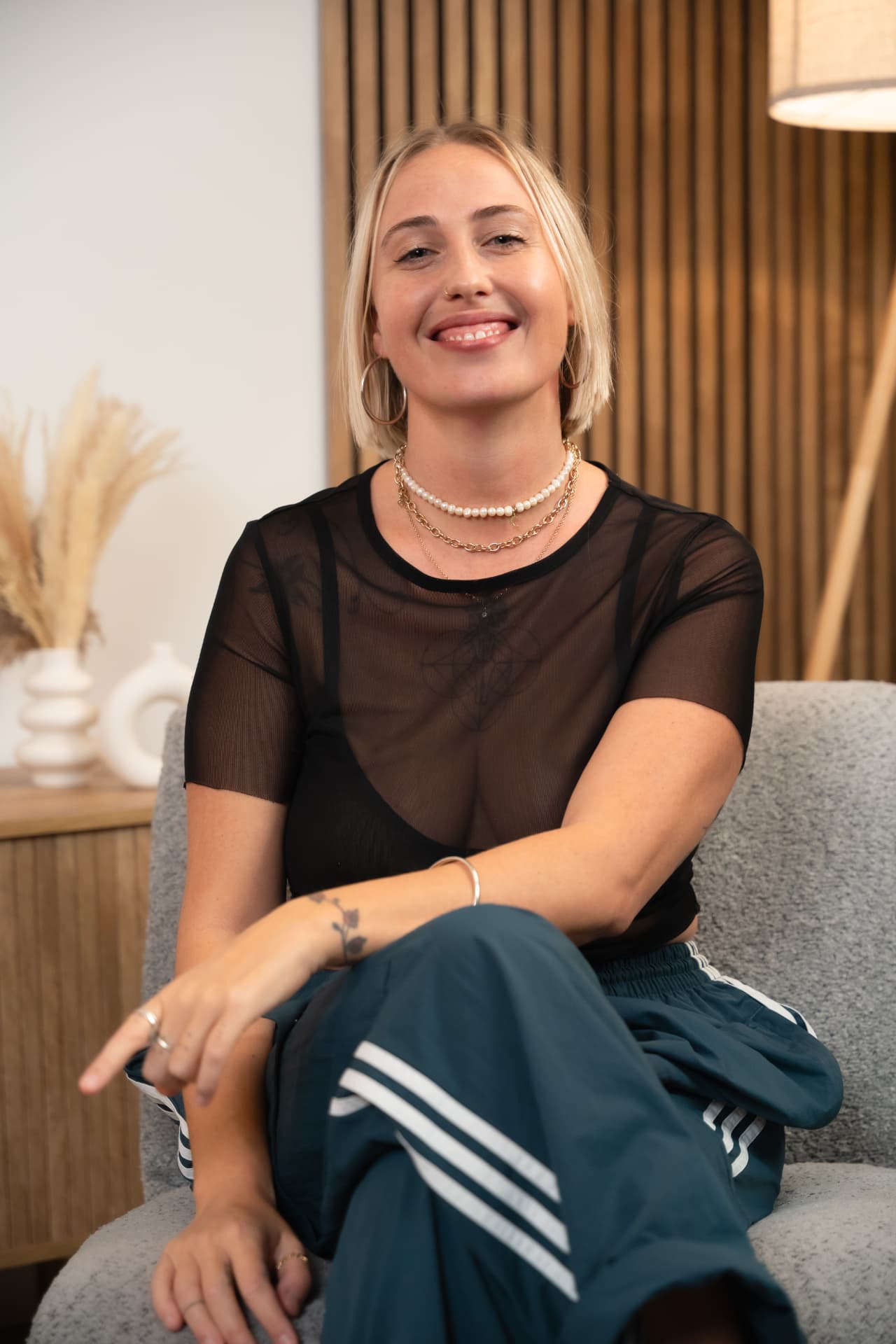
i'm gay, and my own coming out was as much somatic as it was personal. it wasn't just about identity, it was about learning how to stay present in my body, trust sensation, and stop overriding myself in relationships and intimacy.
doing this work didn't give me a perfect relationship. what it gave me was something steadier: a deep connection to my body, and the ability to choose relationships that feel safe, mutual, and alive.
the chaotic storyget more tea.
why i combine somatics and attachment, in my own words
Why do I think it’s so important to combine these two modalities? On their own, they’re both incredible. Through somatic sexology, understanding my body, reclaiming my pleasure and clearing out the shame associated with my sexuality has been so life changing for me. It helped me through the depths of coming out later in life. It helped me unravel internalised homophobia and embody my own version of queerness (which has had many different labels and forms over the years). But most profoundly, this work helped me love and accept myself in a way I hadn’t before.
Something I wasn’t prepared for was queer relating. Talk about being dropped to my knees… Yes, I was feeling secure in my queerness, but when it came to being in a queer relationship (that actually felt good), well, that was a whole different ball game. I had all these wounds come up that I hadn’t really experienced in my straight relationships. The only other time my attachment wounds had felt this painful was in friendships with women. I found myself feeling crazy, so mega obsessed, and then feeling the most excruciating, visceral pain when there was even the slightest bit of pulling away. I felt like there was something wrong with me and didn’t understand how my deep desire to be chosen in a queer romance was fuelling that limerence and exposing my deepest abandonment wounds.
Like many late bloomers, I had an excruciating first heartbreak. I was honestly shocked by the way I abandoned myself and by how badly I wanted to do anything to get back together. I’d chosen the connection with her over the connection with myself and lost myself to the point where I barely recognised who I was. That pain and that realisation are what eventually brought me to this top down and bottom up approach of combining somatics and attachment. Somatic work helps you understand your body, which is crucial for thriving in your queerness. Working with your attachment wounds and getting to know your needs are crucial for building secure partnerships where you actually feel worthy and chosen.

my approach
an embodied approach to sexuality that centers the nervous system and real sensation over performance or technique.
my training
the groundwork.
I trained through programmes developed by two leading educators in sexuality and relationships, Layla Martin and Thais Gibson. Their work informs how I bring somatic sexology and attachment reprogramming together in my practice.
somatic sexology
VITA™ Sex, Love & Relationship Coaching
Layla Martin’s VITA Institute600 hours of trainingabout this trainingVITA draws on interpersonal neurobiology, the study of how relationships shape the brain and nervous system, alongside somatic practices and teachings from Tantra.
attachment work
Integrated Attachment Theory (IAT™) Relationship Coaching
Accredited through Association for Coaching (AC)about this trainingIAT brings together attachment science and behavioural psychology to explore how learned beliefs shape the way we respond to closeness, distance and conflict. I use it to help you recognise those patterns as they happen, get clearer about what you need, and become secure so that you can have the sex love and relationships you really want.
featured in
press and podcasts.
- feature 1 of 10

podcast
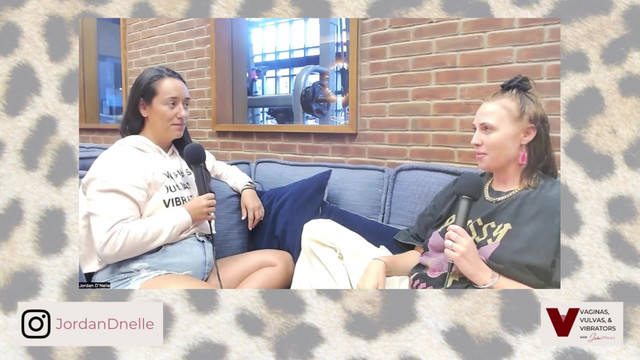
Girls Gone Deep
ep 193: pussy worship, baby bisexuals and why loving your genitals means better sex
- feature 2 of 10

- feature 3 of 10

- feature 4 of 10
- feature 5 of 10
- feature 6 of 10
- feature 7 of 10
- feature 8 of 10
- feature 9 of 10

- feature 10 of 10
in their words
"absolutely life changing. going in i was closed off and terrified; leaving I felt taller, confident, and comfortable being my true queer self."
if this feels familiar, let's talk.
individual sessions, couples work and longer programs.
explore working together